
How Long Does It Take to Pay Off $5,000 in Credit Card Debt?

At 22% APR, $5,000 in credit card debt takes over 16 years on minimum payments, but about 2 years at $259 a month. See the full payoff table and a simple plan.
Debt-to-Income Ratio: How to Calculate It and Lower It
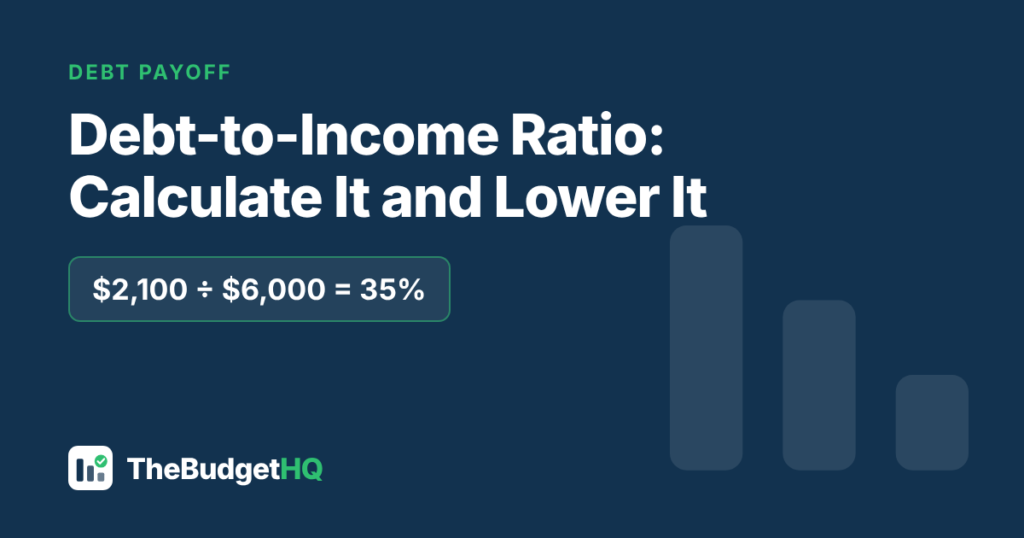
Your debt-to-income ratio is monthly debt payments divided by gross income. See a worked example, the ranges lenders look for, and how to lower it.
Balance Transfer Cards Explained: How to Pay Off Debt at 0%

A 0% balance transfer can save over $1,000 on a $6,000 balance. Here is how the fee works, how much to pay each month, and the traps to avoid.
Debt Consolidation: Pros, Cons and When It Makes Sense

Debt consolidation can save thousands or cost you more. See a real example with fees included, the pros and cons, and a 4-question test.
How Long Does It Take to Pay Off $10,000 in Credit Card Debt?
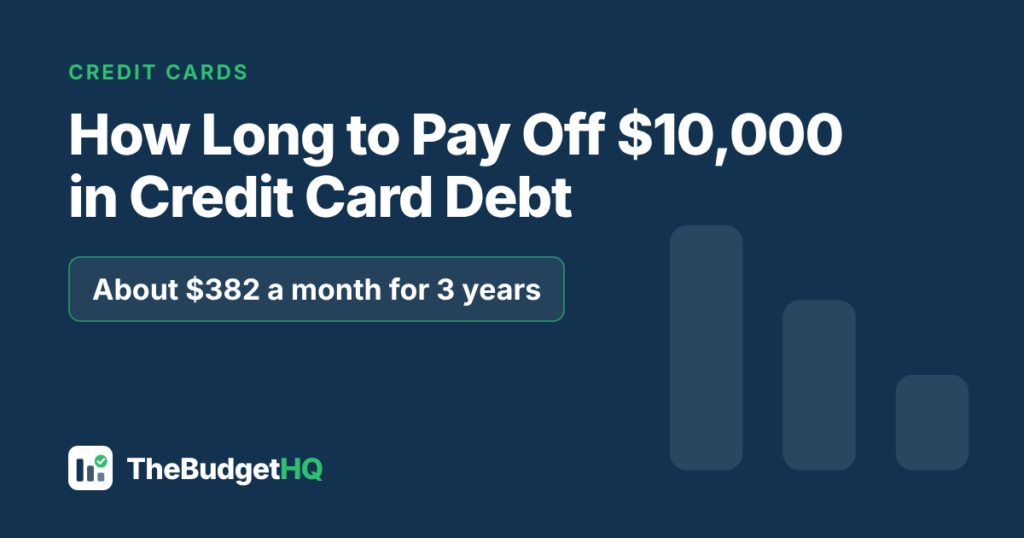
At 22% APR, $10,000 in credit card debt takes over 22 years on minimum payments, but about 3 years at $382 a month. See the full payoff table and a plan.
Emergency Fund or Debt Payoff First? A Simple Order That Works
Save first or pay off debt first? Build a small starter fund, attack high-interest debt, then grow your savings. Here is why that order works, with real numbers.
How Credit Card Interest Is Calculated (With Simple Examples)
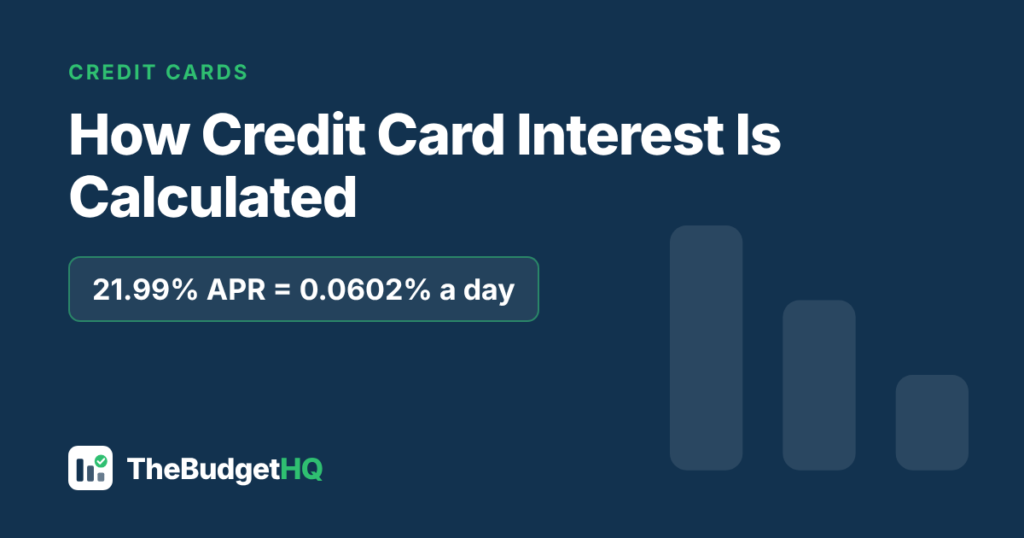
Your card’s APR is turned into a tiny daily rate and charged on your average daily balance. Here is the exact math, step by step, plus how to avoid paying interest at all.
How to Pay Off Credit Card Debt Fast: A Step-by-Step Plan
Paying only the minimum on a $5,000 card at 24% APR can take over 16 years. Here is how much faster you get out with bigger payments, a balance transfer, and a clear plan.
Debt Snowball vs. Avalanche: Which Pays Off Debt Faster?

Snowball or avalanche? We ran the same four debts through both methods. See the payoff order, timeline and interest side by side, plus a simple way to choose.
The Debt Avalanche Method: Pay Less Interest, Step by Step

The debt avalanche pays off your highest-interest debt first, which usually means the least total interest. See how it works month by month with a four-debt example.